The Best ERP System for Manufacturing Companies: A Comprehensive Guide
Welcome, manufacturing industry professionals! Finding the best ERP system for your manufacturing company can be a daunting task with so many options available in the market. But fear not, as we have put together a comprehensive guide to help you navigate through the process and find the perfect ERP system that suits your company’s needs. From order management to inventory tracking, production planning to quality control, we will cover all the essential features to look for in an ERP system tailored for manufacturing companies. So sit back, relax, and let us guide you towards making the right choice for your business.
Key features to look for in an ERP system for manufacturing companies
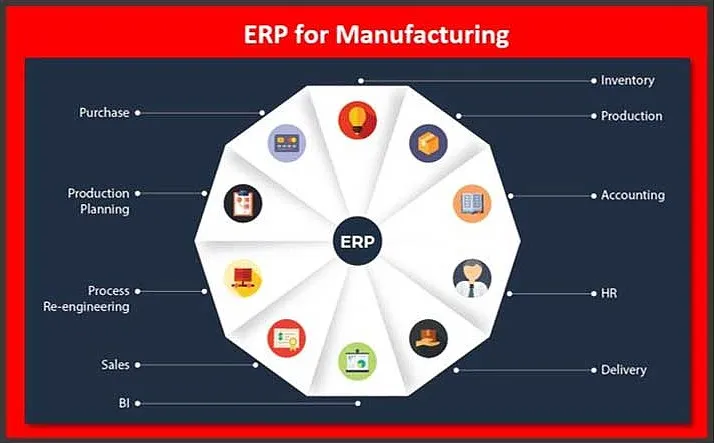
When it comes to choosing an ERP system for a manufacturing company, there are several key features that you should look for to ensure that it meets the unique needs of your business. One of the most important features to consider is the ability to track inventory in real-time. This feature allows you to monitor your inventory levels, track shipments, and manage stock across multiple locations, helping you to avoid shortages and minimize excess inventory.
Another important feature to look for is production scheduling capabilities. An ERP system with strong production scheduling functionality can help you to optimize production processes, improve efficiency, and reduce lead times. Look for a system that allows you to create and manage production schedules, track work orders, and allocate resources effectively.
Quality management is also a critical feature to consider in an ERP system for manufacturing companies. A good quality management module can help you to ensure that your products meet the highest standards of quality and consistency. Look for a system that offers tools for conducting quality inspections, managing non-conformances, and tracking quality metrics over time.
Supply chain management capabilities are another key feature to look for in an ERP system for manufacturing companies. A strong supply chain management module can help you to optimize your supply chain, improve supplier relationships, and reduce costs. Look for a system that offers tools for managing supplier information, monitoring supplier performance, and tracking orders and deliveries.
Integration with other systems is also an important feature to consider when choosing an ERP system for a manufacturing company. Look for a system that can seamlessly integrate with other software applications that your business uses, such as CRM systems, accounting software, or e-commerce platforms. This integration can help you to streamline processes, improve data accuracy, and enhance communication between different departments.
Finally, flexibility and scalability are key features to look for in an ERP system for manufacturing companies. Choose a system that can adapt to your changing business needs and grow with your company over time. Look for a system that offers customizable workflows, user roles, and reporting capabilities, as well as the ability to easily add new functionality as your business expands.
By considering these key features when selecting an ERP system for your manufacturing company, you can ensure that you choose a system that meets the unique needs of your business and helps you to improve efficiency, reduce costs, and enhance productivity.
Top ERP systems recommended for manufacturing companies
When it comes to choosing the best ERP system for a manufacturing company, there are several top options that are highly recommended. One of the top ERP systems for manufacturing companies is SAP S/4HANA. SAP S/4HANA is a cloud-based ERP solution that offers a comprehensive set of features and functionalities specifically designed for the manufacturing industry. This ERP system is known for its real-time data processing capabilities, advanced analytics tools, and seamless integration with other systems. With SAP S/4HANA, manufacturing companies can streamline their operations, improve efficiency, and make data-driven decisions to drive business growth.
Another popular ERP system for manufacturing companies is Microsoft Dynamics 365 Business Central. This ERP solution is ideal for small to medium-sized manufacturing businesses looking for a cost-effective and user-friendly software. Microsoft Dynamics 365 Business Central offers modules for inventory management, production planning, and financial management, making it a comprehensive solution for manufacturing companies. With its seamless integration with Microsoft Office 365 and other Microsoft applications, this ERP system provides a familiar user experience for employees and helps companies improve their overall productivity.
Furthermore, Infor CloudSuite Industrial (SyteLine) is another top ERP system recommended for manufacturing companies. This cloud-based ERP solution is specifically designed to meet the unique needs of manufacturing companies, offering features such as advanced scheduling, quality management, and supply chain optimization. Infor CloudSuite Industrial is known for its scalability and flexibility, making it suitable for both small and large manufacturing businesses. With its industry-specific functionalities and customizable options, this ERP system can help manufacturing companies streamline their processes, reduce costs, and improve customer satisfaction.
Overall, when choosing the best ERP system for a manufacturing company, it is important to consider the specific needs and requirements of the business. Each of these top ERP systems offers unique features and functionalities that can help manufacturing companies improve their operations, increase efficiency, and drive business growth.
Benefits of implementing an ERP system in a manufacturing company
Implementing an ERP system in a manufacturing company can bring about a multitude of benefits that can significantly improve the efficiency and productivity of the organization. Below are some of the key advantages of implementing an ERP system in a manufacturing company:
1. Improved efficiency: One of the most significant benefits of using an ERP system in a manufacturing company is the improved efficiency it provides. With an ERP system in place, all departments within the organization can access real-time data and information, leading to better decision-making processes and increased operational efficiency. This can help streamline workflows, reduce manual processes, and eliminate redundant tasks, ultimately leading to cost savings and improved productivity.
2. Enhanced visibility: Another important benefit of implementing an ERP system in a manufacturing company is the enhanced visibility it provides across the organization. By centralizing all data and processes in one system, employees can easily access and track information related to orders, inventory, production schedules, and more. This increased visibility can help managers make informed decisions, quickly identify bottlenecks or issues in the production process, and improve overall operational performance.
3. Better inventory management: Inventory management is a critical aspect of any manufacturing company, and implementing an ERP system can significantly improve this process. With an ERP system, manufacturers can accurately track inventory levels, monitor stock movement in real-time, and automate replenishment processes. This can help prevent stockouts, reduce excess inventory, optimize warehouse space, and ultimately improve cash flow. Additionally, an ERP system can provide valuable insights into product demand trends, allowing manufacturers to make informed decisions about purchasing and production planning.
Furthermore, by integrating inventory management with other aspects of the business, such as procurement, production, and sales, an ERP system can help optimize the entire supply chain and ensure that the right products are available at the right time, in the right quantities.
In conclusion, implementing an ERP system in a manufacturing company can offer a wide range of benefits, including improved efficiency, enhanced visibility, and better inventory management. By leveraging the power of an ERP system, manufacturing companies can streamline their operations, make better decisions, and ultimately drive growth and profitability.
Factors to consider when choosing an ERP system for a manufacturing company
Choosing the right ERP system for a manufacturing company is a crucial decision that can greatly impact the efficiency and profitability of the business. There are several factors that should be taken into consideration when selecting an ERP system to ensure it meets the unique needs of manufacturing operations.
1. Scalability: One of the most important factors to consider when choosing an ERP system for a manufacturing company is scalability. The system should be able to grow and adapt as the business expands, without requiring a complete overhaul or replacement. This is especially important for manufacturers with plans for growth and expansion in the future.
2. Industry-specific functionality: Manufacturing is a complex industry with unique processes and requirements. When choosing an ERP system, it is essential to select one that offers industry-specific functionality tailored to the needs of manufacturing operations. This may include features such as inventory management, production planning, and quality control.
3. Integration capabilities: In today’s interconnected business environment, integration capabilities are essential for an ERP system. The system should be able to seamlessly integrate with other business applications, such as CRM software, e-commerce platforms, and supply chain management systems. This integration can help streamline processes, improve data accuracy, and enhance overall efficiency.
4. Customization options: Another important factor to consider when choosing an ERP system for a manufacturing company is the level of customization options available. Each manufacturing operation is unique, with its own set of processes, workflows, and requirements. A customizable ERP system allows businesses to tailor the software to their specific needs, ensuring that it aligns with their existing processes and workflows. This can help maximize the benefits of the system and improve overall productivity.
When selecting an ERP system for a manufacturing company, it is essential to carefully consider these factors to ensure the system meets the needs of the business and contributes to its success.
Case studies of successful ERP implementations in manufacturing companies
Implementing an ERP system in a manufacturing company can be a daunting task, but when done successfully, it can streamline operations, increase efficiency, and ultimately improve the bottom line. Let’s take a look at some case studies of manufacturing companies that have successfully implemented ERP systems.
1. Tesla: Tesla, the electric car manufacturer, implemented an ERP system to help manage its complex supply chain and production processes. By integrating their data across different departments, Tesla was able to improve communication, reduce errors, and increase productivity. The result was a more efficient manufacturing process and faster time to market for their vehicles.
2. Boeing: Boeing, a leading aircraft manufacturer, implemented an ERP system to streamline their production processes and improve collaboration between their global workforce. The ERP system enabled Boeing to track parts and components across their supply chain, leading to faster production times and reduced costs. As a result, Boeing was able to meet customer demand more efficiently and increase profitability.
3. Toyota: Toyota, a well-known automotive manufacturer, implemented an ERP system to optimize their manufacturing processes and improve inventory management. The ERP system allowed Toyota to forecast demand more accurately, leading to a reduction in excess inventory and a more efficient production process. This resulted in cost savings and improved customer satisfaction for Toyota.
4. Nestle: Nestle, a global food and beverage company, implemented an ERP system to centralize their operations and improve visibility into their supply chain. The ERP system allowed Nestle to track raw materials, production schedules, and distribution channels more effectively, leading to reduced lead times and improved inventory management. As a result, Nestle was able to respond to market demands more quickly and increase customer satisfaction.
5. General Electric: General Electric (GE), a multinational conglomerate, implemented an ERP system to streamline their manufacturing processes and improve data visibility across their various business units. The ERP system enabled GE to standardize their processes, reduce manual errors, and improve decision-making based on real-time data. This resulted in cost savings, increased efficiency, and better overall performance for GE’s manufacturing operations.
These case studies demonstrate the benefits of implementing an ERP system in a manufacturing company. By improving communication, streamlining processes, and increasing visibility into operations, companies can achieve greater efficiency, reduced costs, and improved customer satisfaction. ERP systems are essential tools for modern manufacturing companies looking to stay competitive in today’s fast-paced market.