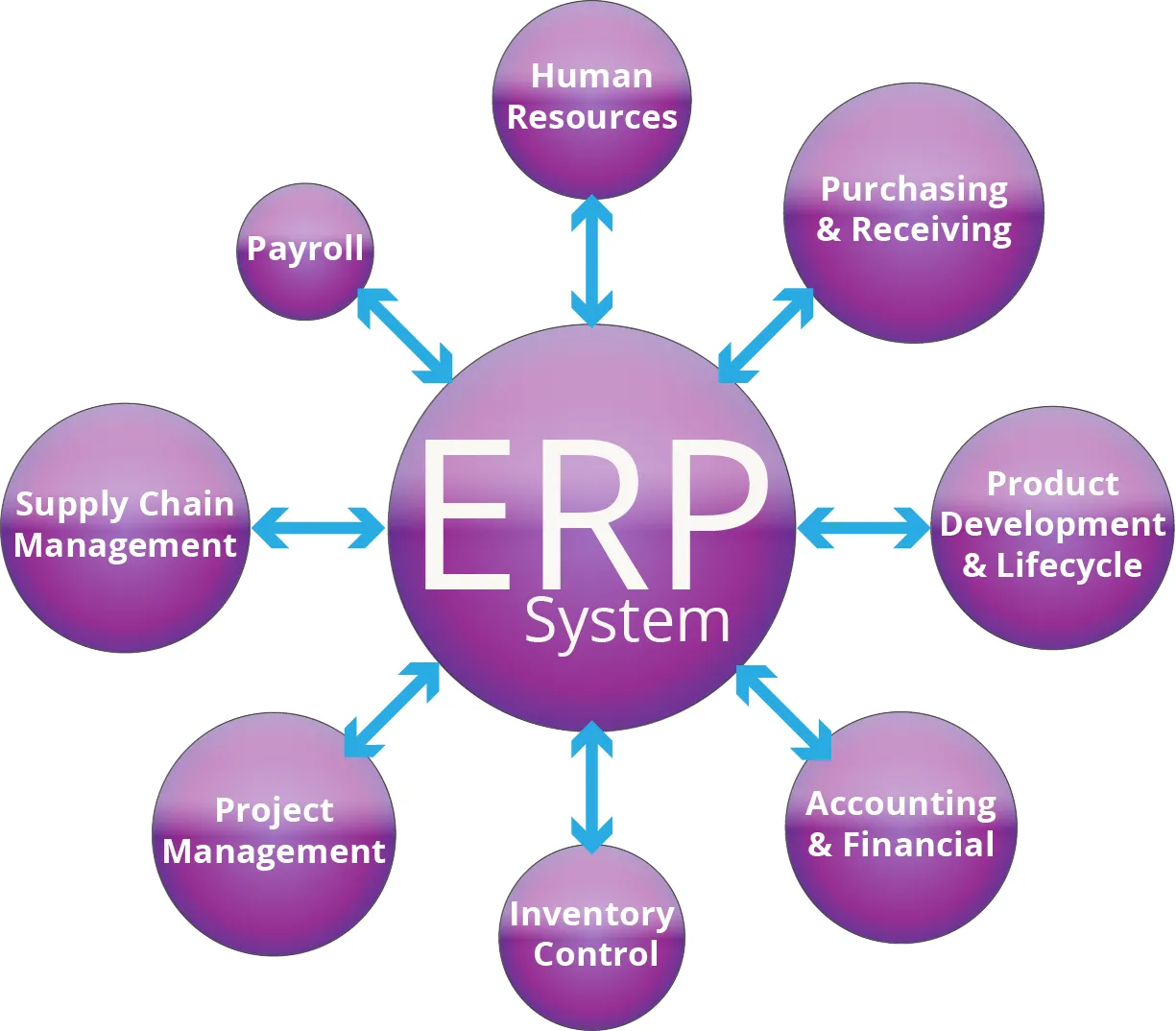
Welcome, readers! Are you looking to streamline your business operations and improve efficiency? One solution to consider is implementing an Enterprise Resource Planning (ERP) system. This powerful tool can help you integrate and automate various processes within your organization, leading to increased productivity, better decision-making, and overall cost savings. Let’s explore the many benefits of integrating an ERP system into your business!
What is an ERP system?
An ERP system, or Enterprise Resource Planning system, is a software application that integrates business processes and functions within an organization. It allows businesses to manage various aspects of their operations such as finance, accounting, human resources, sales, and inventory in one centralized system. This integration streamlines processes, improves efficiency, and provides real-time data for decision-making.
ERP systems are designed to automate tasks and workflows, reduce manual data entry, and eliminate the need for multiple standalone software applications. By consolidating data and functions into a single system, ERP software helps organizations optimize their resources, increase productivity, and improve overall performance.
One of the key features of an ERP system is its ability to provide a comprehensive view of an organization’s operations. By connecting different departments and functions, ERP software enables seamless communication and collaboration across the entire business. This visibility allows managers to track performance, monitor progress, and identify areas for improvement.
Another important aspect of ERP systems is their scalability and flexibility. As businesses grow and evolve, ERP software can adapt and expand to meet changing needs. Whether a company is a small startup or a large corporation, an ERP system can be customized to fit its unique requirements and support future growth.
Additionally, ERP systems offer a range of benefits such as improved data accuracy, reduced operating costs, increased customer satisfaction, and enhanced decision-making capabilities. By centralizing data and streamlining processes, ERP software helps organizations operate more efficiently and effectively in today’s competitive business environment.
In summary, an ERP system is a powerful tool that enables organizations to manage their resources, optimize their operations, and drive business growth. By integrating different functions and providing a comprehensive view of operations, ERP software helps businesses make better decisions, improve productivity, and stay ahead of the competition.
Benefits of implementing an ERP system
Implementing an ERP system can bring numerous benefits to an organization, helping to streamline processes, increase efficiency, and improve overall productivity. One of the key benefits of implementing an ERP system is the ability to centralize data from various departments and functions within the organization. Instead of siloed data sources that can lead to inefficiencies and inaccuracies, an ERP system allows for a single source of truth that can be accessed and updated in real-time by authorized users. This centralized data repository can help to eliminate manual data entry errors, reduce duplication of effort, and improve overall data accuracy.
Furthermore, an ERP system can help to automate manual processes, saving employees time and enabling them to focus on more strategic tasks. For example, routine tasks such as invoicing, order processing, and inventory management can be automated through an ERP system, freeing up employees to work on more value-added activities. This can lead to increased employee satisfaction, as team members are able to spend more time on tasks that are challenging and engaging, rather than repetitive and mundane.
Another benefit of implementing an ERP system is the improved visibility and reporting capabilities that it provides. With a centralized data repository, organizations can more easily track key performance indicators, generate reports, and make data-driven decisions. Real-time reporting capabilities allow for more timely and accurate decision-making, helping organizations to respond quickly to changing market conditions and make informed strategic choices. This improved visibility can also help to identify trends and opportunities for cost savings or revenue growth, leading to a more agile and competitive organization.
In addition to process efficiencies and improved reporting, an ERP system can also help to enhance collaboration and communication within an organization. By providing a centralized platform for data sharing and communication, an ERP system can facilitate collaboration between departments, teams, and individuals. This can lead to faster decision-making, improved coordination, and a more cohesive organizational culture. With shared access to critical information, employees can work more effectively together, breaking down silos and driving innovation and creativity.
Overall, implementing an ERP system can bring a wide range of benefits to an organization, from increased efficiency and productivity to improved decision-making and collaboration. By centralizing data, automating processes, and enhancing visibility, an ERP system can help organizations to streamline operations, reduce costs, and drive growth. Organizations that invest in an ERP system are likely to see a positive impact on their bottom line, as well as on employee satisfaction and overall organizational performance.
Key features of an ERP system
Enterprise Resource Planning (ERP) systems are widely used by companies to streamline their business processes and improve overall efficiency. These systems offer a wide range of features that help businesses manage their resources effectively. Some key features of an ERP system include:
1. Integration: One of the most important features of an ERP system is its ability to integrate various departments and functions within an organization. This integration allows for seamless communication and collaboration between different departments, leading to better decision-making and overall efficiency.
2. Automation: Another key feature of ERP systems is automation. These systems automate repetitive tasks and processes, reducing the need for manual intervention and saving time for employees. Automation helps businesses streamline their operations and optimize their resources.
3. Customization: ERP systems offer a high level of customization, allowing businesses to tailor the system to meet their specific needs and requirements. This customization can include configuring workflows, creating personalized reports, and adapting the system to suit the unique processes of the organization. By customizing the ERP system, businesses can ensure that it aligns with their business objectives and helps them achieve their goals more effectively.
4. Scalability: ERP systems are designed to be scalable, meaning they can grow and adapt as the business expands. Whether a company is a small startup or a large corporation, an ERP system can accommodate the changing needs of the organization. This scalability ensures that businesses can continue to use the system as they grow without having to invest in a new solution.
5. Real-time data: ERP systems provide real-time data and insights, allowing businesses to make decisions based on up-to-date information. This real-time data helps businesses improve their agility and responsiveness, enabling them to react quickly to changing market conditions and make informed decisions.
6. Mobile accessibility: With the increasing popularity of mobile devices, many ERP systems now offer mobile accessibility. This feature allows employees to access the system from anywhere, at any time, using their smartphones or tablets. Mobile accessibility improves collaboration and productivity, as employees can work remotely and stay connected to the business at all times.
Overall, ERP systems offer a wide range of features that help businesses streamline their operations, improve efficiency, and make better decisions. From integration and automation to customization and scalability, ERP systems provide businesses with the tools they need to succeed in today’s competitive business environment.
Types of ERP systems available in the market
When it comes to ERP systems, there is a wide range of options available in the market to cater to the varying needs of businesses. Here are some of the most common types of ERP systems that businesses can choose from:
1. On-Premise ERP Systems
On-Premise ERP systems are installed and maintained on the company’s own servers and infrastructure. This type of ERP system offers complete control and customization options to the company but requires a significant upfront investment in hardware and IT resources. On-Premise ERP systems are suitable for large enterprises with complex business processes that require high levels of security and customization.
2. Cloud-Based ERP Systems
Cloud-based ERP systems, also known as SaaS (Software as a Service) ERP systems, are hosted on the vendor’s servers and accessed through the internet. These systems are subscription-based and offer scalability, flexibility, and cost-effectiveness to businesses. Cloud-based ERP systems are ideal for small to medium-sized businesses that want to avoid high upfront costs and maintenance responsibilities.
3. Open-Source ERP Systems
Open-source ERP systems are software solutions that are freely available to the public, allowing users to modify and customize the source code according to their requirements. These systems offer flexibility and cost savings, but they may require technical expertise to implement and maintain. Open-source ERP systems are popular among businesses looking for highly customizable solutions without vendor lock-in.
4. Industry-Specific ERP Systems
Industry-specific ERP systems are tailored to the unique needs and requirements of specific industries, such as manufacturing, healthcare, retail, and finance. These systems come pre-configured with industry-specific features, templates, and workflows, making implementation faster and more efficient for businesses in that particular sector. Industry-specific ERP systems help companies streamline their operations, improve productivity, and achieve compliance with industry regulations.
How to choose the right ERP system for your business
Choosing the right ERP system for your business is a crucial decision that can have a significant impact on your operations and bottom line. With so many options available in the market, it can be overwhelming to select the best fit for your specific business needs. Here are some key factors to consider when choosing an ERP system:
1. Define your business requirements: Before you start evaluating ERP systems, it’s essential to clearly define your business requirements. Identify what functionalities are crucial for your business operations and what features will help improve efficiency and productivity. Consider factors such as scalability, integration capabilities, customization options, and reporting tools.
2. Assess your budget: ERP systems can vary widely in cost, depending on the vendor, licensing model, and the scope of functionalities. Determine your budget constraints and find an ERP system that aligns with your financial resources. Remember to consider not just the initial implementation costs but also ongoing maintenance and support expenses.
3. Consider scalability: As your business grows, your ERP system should be able to scale with you. Look for a system that can accommodate your future needs and can easily integrate with other applications as your business expands. Scalability is crucial to ensure that your ERP system remains effective and efficient in the long term.
4. Evaluate vendor reputation and support: The reputation of the ERP vendor is an important factor to consider. Research the vendor’s track record, customer reviews, and industry reputation to assess their reliability and credibility. Additionally, consider the level of customer support and training provided by the vendor. A vendor with strong support services can help ensure a smooth implementation and ongoing success with the ERP system.
5. Conduct a thorough evaluation and testing: Once you have narrowed down your options, it’s crucial to conduct a thorough evaluation and testing of the ERP systems under consideration. This may involve scheduling demos, requesting proposals, and engaging in hands-on testing of the software. Involve key stakeholders from different departments in the evaluation process to ensure that the chosen ERP system meets the needs of the entire organization. Pay attention to user interface, ease of use, and the system’s ability to streamline processes and improve efficiency.
Originally posted 2025-09-05 16:45:40.