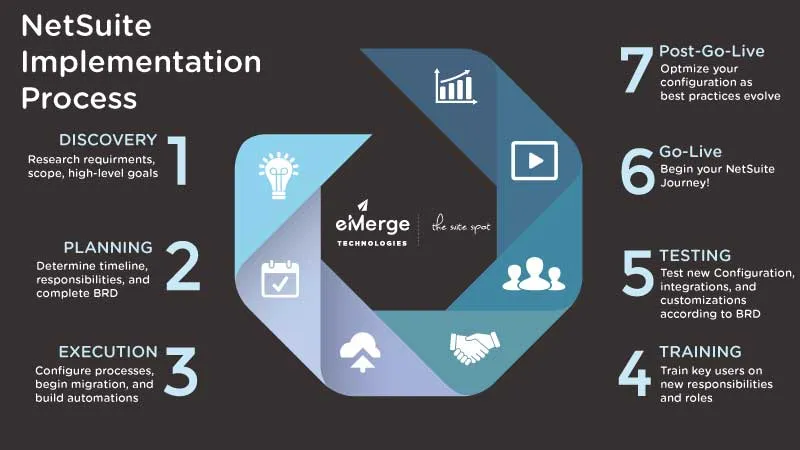
Welcome to the ultimate guide on successfully implementing Netsuite ERP systems! Whether you are a small business owner or a large corporation, navigating the complexities of Netsuite ERP implementation can be daunting. But fear not, as we are here to provide you with a comprehensive roadmap to ensure a smooth and efficient implementation process. From planning and customization to training and troubleshooting, we cover it all in this guide. So sit back, relax, and let us guide you through the exciting journey of Netsuite ERP implementation.
Netsuite ERP Implementation Steps
Implementing Netsuite ERP can be a complex process that requires careful planning and execution. There are several key steps that organizations should follow to ensure a successful implementation. Below are the detailed steps involved in a typical Netsuite ERP implementation:
1. Planning and Preparation:
Before starting the implementation process, it is important to have a clear understanding of the organization’s goals and objectives. This involves defining the scope of the implementation, identifying key stakeholders, and establishing a project timeline. It is crucial to involve all relevant departments and stakeholders in the planning phase to ensure that everyone is on the same page.
Once the goals and objectives have been defined, the next step is to conduct a thorough business process review. This involves analyzing the existing processes and workflows within the organization to identify areas that could be improved by implementing Netsuite ERP. It is important to involve end users in this process to gather insights and feedback on current pain points and inefficiencies.
After completing the business process review, the next step is to develop a detailed implementation plan. This plan should outline the specific steps that need to be taken to configure Netsuite ERP to meet the organization’s needs. It should also include a timeline for each phase of the implementation, as well as a budget and resource allocation.
Once the implementation plan has been developed, the next step is to select a project team. This team should consist of individuals from various departments within the organization who have expertise in different areas, such as finance, IT, and operations. The project team will be responsible for overseeing the implementation process, communicating with stakeholders, and resolving any issues that may arise.
In addition to selecting a project team, it is also important to engage with a Netsuite implementation partner. These partners have the expertise and experience to help organizations navigate the implementation process and ensure a successful outcome. They can provide guidance on best practices, help customize Netsuite to meet specific business needs, and provide training and support to end users.
Finally, before beginning the implementation process, it is important to set realistic expectations. Implementing Netsuite ERP is a complex undertaking that requires time, resources, and commitment. It is important to communicate openly with stakeholders about the potential challenges and disruptions that may arise during the implementation process.
By following these planning and preparation steps, organizations can set themselves up for a successful Netsuite ERP implementation. It is important to take the time to carefully plan and prepare for the implementation process to ensure that it goes smoothly and delivers the desired results.
Key Considerations for a Successful Netsuite ERP Implementation
Implementing Netsuite ERP can be a game-changer for your business, but it’s essential to approach the project with careful consideration and planning. Here are some key factors to keep in mind to ensure a successful implementation:
1. Clear Objectives and Scope
Before embarking on the implementation process, it’s crucial to clearly define your objectives and scope. What are the specific goals you want to achieve with Netsuite ERP? Are you looking to streamline your financial processes, improve inventory management, or enhance customer relationship management? By identifying your objectives upfront, you can tailor the implementation to meet your specific needs and avoid unnecessary customization.
2. Strong Project Management
One of the most critical factors in a successful Netsuite ERP implementation is strong project management. Having a dedicated project manager who is responsible for overseeing the entire process, coordinating with different stakeholders, and ensuring that deadlines are met is essential. This individual should have a deep understanding of both the technical aspects of the implementation and the business processes that will be impacted.
In addition to having a strong project manager, it’s important to establish clear communication channels and regular check-ins to keep everyone on the same page. Regular updates on the progress of the implementation, any challenges that arise, and decisions that need to be made will help ensure that the project stays on track and that any issues are promptly addressed.
Furthermore, having a well-defined project plan with clear milestones, deadlines, and responsibilities will help keep the implementation organized and on schedule. By breaking down the implementation into manageable tasks and setting realistic timelines, you can avoid delays and ensure that the project stays within budget.
Lastly, it’s essential to have a dedicated team of internal resources who can support the implementation process. This team should be well-trained in Netsuite ERP and have a good understanding of your business processes. Their input and expertise will be invaluable throughout the implementation, helping to ensure that the system is configured to meet your specific needs and that any issues are quickly resolved.
By focusing on strong project management, clear communication, and dedicated internal resources, you can set your Netsuite ERP implementation up for success. With careful planning and execution, your business can leverage the full potential of Netsuite ERP to drive growth and efficiency.
Challenges of Netsuite ERP Implementation
Implementing Netsuite ERP can be a daunting task for any organization. While the benefits of this enterprise resource planning system are vast, there are several challenges that companies may face during the implementation process. Here are some of the most common challenges:
1. Lack of IT expertise: One of the main challenges that organizations face when implementing Netsuite ERP is the lack of IT expertise within their team. Netsuite is a complex system that requires specialized knowledge to set up and configure. If the organization does not have employees with the necessary skills and experience, they may struggle to successfully implement the system. This can lead to delays, errors, and increased costs.
2. Data migration: Another challenge during the Netsuite ERP implementation process is data migration. Migrating data from existing systems to Netsuite can be a time-consuming and complex process. Organizations need to ensure that the data is transferred accurately and securely, without any loss or corruption. They also need to validate the data to ensure that it is consistent and accurate within Netsuite.
3. Customization: Customization is another key challenge that organizations face when implementing Netsuite ERP. While Netsuite offers a wide range of features and functionalities out of the box, organizations often need to customize the system to meet their specific business requirements. This can involve creating custom fields, workflows, reports, and dashboards. Customization can be a complex and time-consuming process that requires a deep understanding of the organization’s business processes and needs.
Moreover, customization can also impact the stability and performance of the Netsuite system. Organizations need to strike a balance between meeting their specific requirements and maintaining a stable and efficient system. They also need to ensure that any customizations are properly documented and tested to avoid any issues in the future.
To overcome the challenges of customization during Netsuite ERP implementation, organizations should work closely with experienced Netsuite consultants and developers. These professionals can help organizations identify their customization needs, design and implement custom solutions, and provide training and support to end users. By leveraging the expertise of Netsuite consultants, organizations can ensure a smooth and successful implementation of Netsuite ERP.
Best Practices for Netsuite ERP Implementation
Implementing Netsuite ERP can be a complex process that requires careful planning and execution. To ensure a successful implementation, it is important to follow best practices that have been proven to help companies achieve their ERP goals.
1. Define Clear Objectives: Before starting the implementation process, it is crucial to clearly define your objectives and goals for the ERP system. This will help ensure that the implementation is aligned with the overall strategy of the organization and will enable you to measure the success of the implementation.
2. Engage Stakeholders: In order to achieve buy-in from all levels of the organization, it is important to engage stakeholders throughout the implementation process. This includes not only senior management, but also end users who will be directly impacted by the new system. Engaging stakeholders early on will help ensure that their needs and concerns are addressed during the implementation.
3. Plan Thoroughly: A comprehensive project plan is essential for a successful ERP implementation. This plan should include a detailed timeline, budget, resource allocation, and milestones to track progress. It is also important to identify potential risks and develop contingency plans to mitigate any issues that may arise during the implementation process.
4. Conduct Comprehensive Training: One of the most important aspects of a successful ERP implementation is providing thorough training to end users. This includes not only training on how to use the new system, but also on the benefits of the system and how it will improve their day-to-day work processes. Training should be ongoing and tailored to the specific needs of different user groups within the organization.
Implementing Netsuite ERP requires careful planning and execution, but by following these best practices, companies can increase the likelihood of a successful implementation. By defining clear objectives, engaging stakeholders, planning thoroughly, and providing comprehensive training, organizations can maximize the benefits of their ERP system and drive business growth.
Tips for Training and Support during Netsuite ERP Implementation
During the implementation of Netsuite ERP, it is essential to provide proper training and support to ensure a smooth transition for employees. Here are some tips to help you effectively train your team and provide ongoing support:
1. Start with a Comprehensive Training Plan
Before diving into the implementation process, it is crucial to develop a comprehensive training plan for your team. This plan should outline the training goals, objectives, timelines, and methods of delivery. Consider the different learning styles of your employees and tailor the training content to meet their needs.
2. Provide Hands-On Training
One of the most effective ways to train employees on Netsuite ERP is through hands-on training sessions. Allow your team to interact with the system and practice using different features and functionalities. This will help them feel more comfortable and confident when using the software in real-world scenarios.
3. Offer Ongoing Support
Implementing Netsuite ERP is a significant change for your organization, and it is important to provide ongoing support to help your team navigate any challenges they may face. Consider setting up a help desk or support team to address any questions or issues that arise during the implementation process.
4. Encourage Feedback and Communication
Encourage open communication and feedback from your team throughout the implementation process. Create a safe space for employees to share their thoughts, concerns, and suggestions. This will help you identify any areas that may need improvement and make adjustments as needed.
5. Develop Training Materials Tailored to Your Organization
When training your team on Netsuite ERP, it is important to develop training materials that are tailored to your organization’s specific needs and processes. Consider creating customized tutorials, user guides, and cheat sheets that highlight the key functionalities and workflows relevant to your business.
These materials should be easily accessible and user-friendly to help your team quickly get up to speed with the software. Additionally, consider providing on-demand training resources such as videos and webinars to support ongoing learning and development.
By taking a proactive approach to training and support during Netsuite ERP implementation, you can help ensure a successful transition for your team and maximize the benefits of the new system. Remember to continuously assess the effectiveness of your training efforts and make adjustments as needed to support your team’s success.
Originally posted 2025-09-05 07:50:52.